
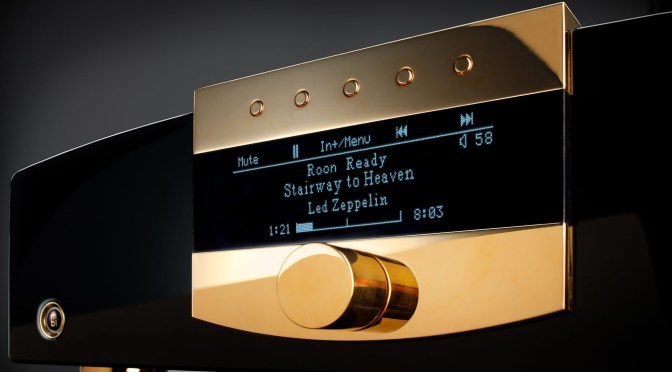
“Better listening through science” is the sub-title of Jonathan Valin’s review of the newest addition to MBL’s most affordable Cadenza line of components. Thanks to the technical innovations of designer Jürgen Reis, the C41 network player is “not just a world-class digital source component, but also an extraordinary bargain”. But first, “Let’s start with a curious fact,” begins Valin…
The fact in question is that at the 2025 Munch High-End Show, two of the magazine’s most experienced reviewers picked the same system as Best Sound of Show: an MBL system comprising the company’s flagship 101-Xtreme Radialstrahler omni-directional loudspeakers, four 9011 monoblock power amplifiers and a single source component: the new C41 network player.
“It might seem a little nuts to put a $11,100 digital streamer at the head of a three-quarter-million-dollar system,” writes Valin, and “it certainly took guts.” However, “using the C41 was a safe bet.” Why so?
Valin’s review goes to some length to unpack precisely why, and as such makes a fascinating read for anyone interested in the technology of creating superior digital sound.

To get under the hood of exactly why the C41 sounds so great – since, on the surface its features seem fairly similar to any other comparable product – Valin speaks to MBL’s “design genius” Jürgen Reis.
Reis explains that there are “several unique technical advancements that set the C41 apart from its competition”.
Key highlights include:
- MBL’s Core Volume Control (CVC), which takes a fresh approach to adjusting output level, such that the signal suffers no loss of information on its journey to the output stage and so delivers a sound quality that’s “unattainable with conventional DACs”.
- A three-step process to tackle jitter, the results of which “are plain to see,” writes Valin, as he compares charts of the C41’s jitter measurements to those of “one of the best DACs on the market” and finds the C41’s improvements to be “substantial”.
- The application of MBL’s own in-house technologies to the DAC chip, including a Minimum Phase Filter to eliminate pre-ringing from the signal (“once again, the effects of this proprietary technology are clearly visible in measurements”, notes Valin) and a modulator that features four paths for the signal’s digital to analogue conversion, resulting in “a very smooth transition without crossover distortion and a homogenous music signal without group delay.”
- The elimination of distortion caused by clipping due to ‘intersample peaks’, thanks to MBL’s True Peak Technology (TPT). “Once again,” says Valin, “the effects of TPT have been validated via measurements”.
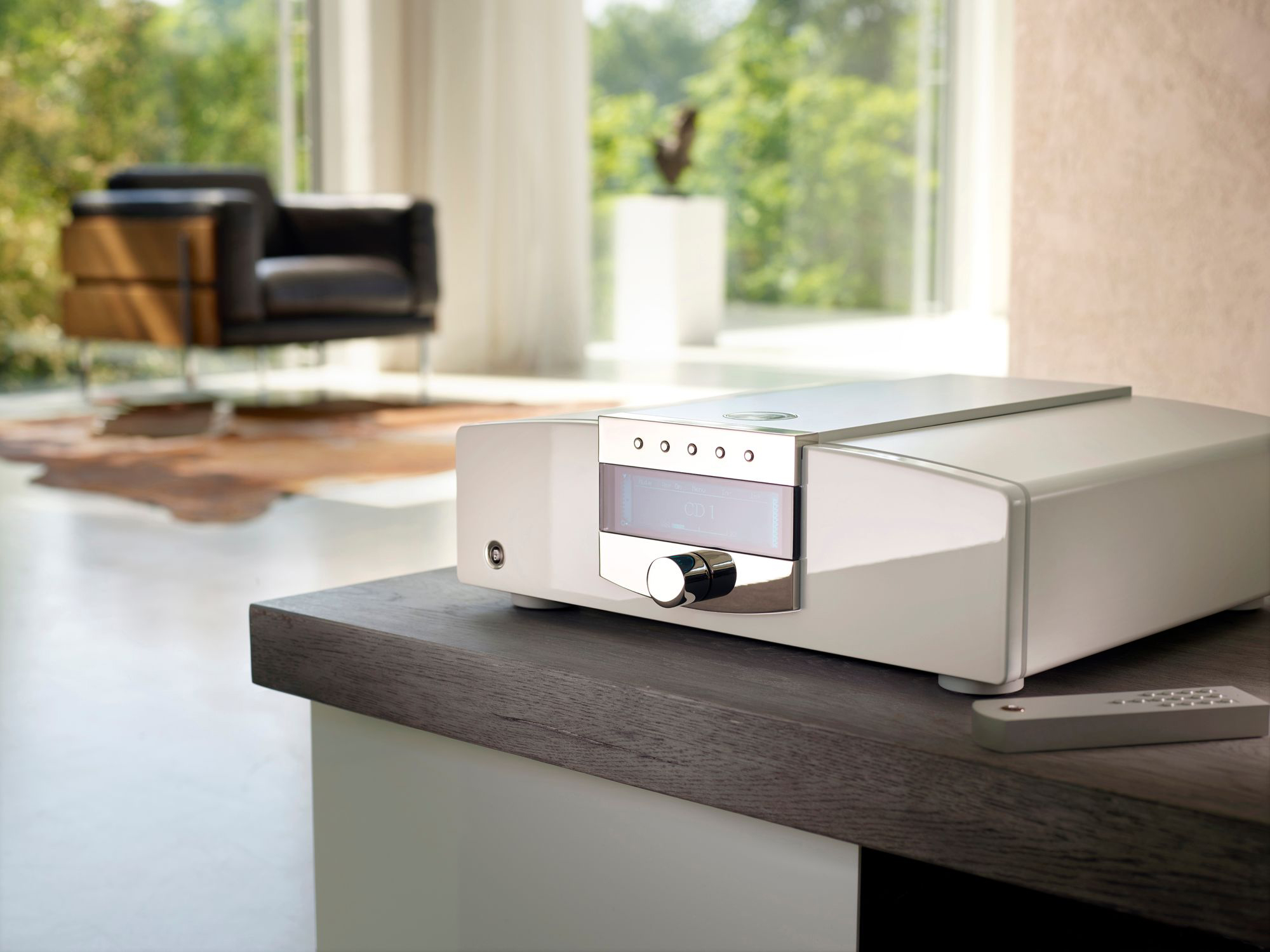
While Valin has “never been one to put technology [measurements] ahead of listening, it is clear that these technical advances have wrought what only a few years ago would have been considered a sonic breakthrough in digital playback.”
As for the all-important listening, Valin confirms that “MBL’s focus on removing distortion and preserving information that is lost or obscured on other network players” and its “slew of unique technical innovations” does indeed deliver – in spades. It offers “superb, near tape-like sound”, and “comes with a price tag that sets it far apart from its closest competitors.”
“If you’re an analog guy looking for a network player that will give you the sound you love, this is the player for you. And if you’re a digital guy who wants the very best but can’t afford it, the C41 would be my first (and only) recommendation.”
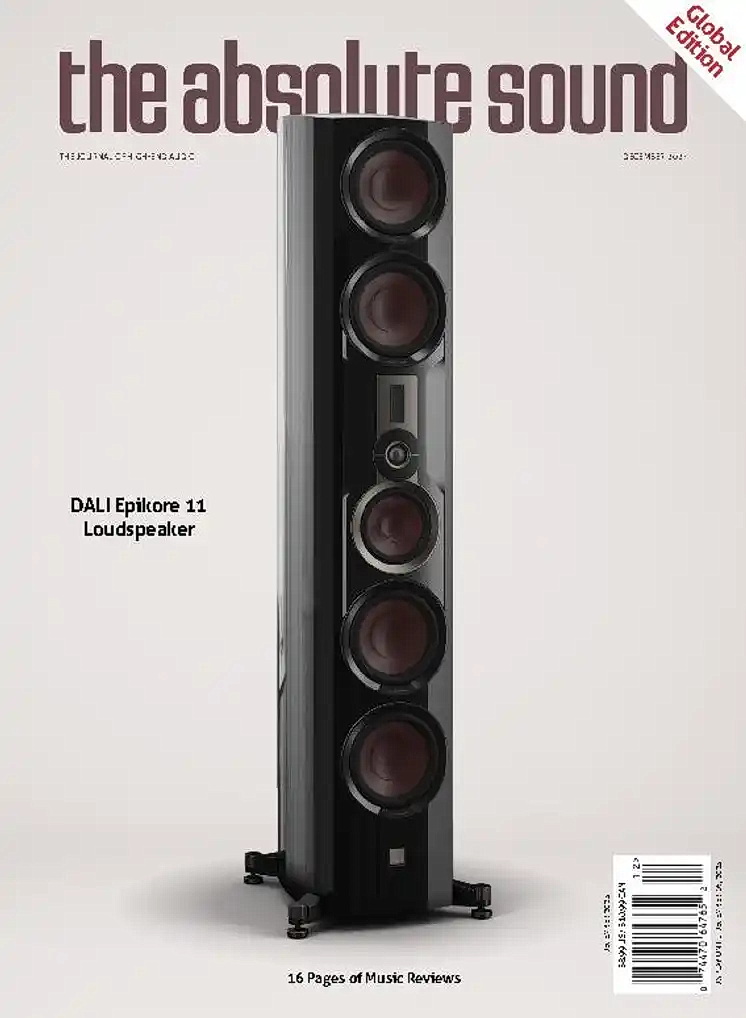 Read Jonathan Valin’s review in full in the December 2024 issue of The Absolute Sound, or online via MBL’s website at www.mbl.de/en/news/details/review-c41-network-player
Find out more about the MBL C41 and track down your nearest specialist retailer at https://www.mbl.de/en
 David Denyer PR | The hi-fi specialist