
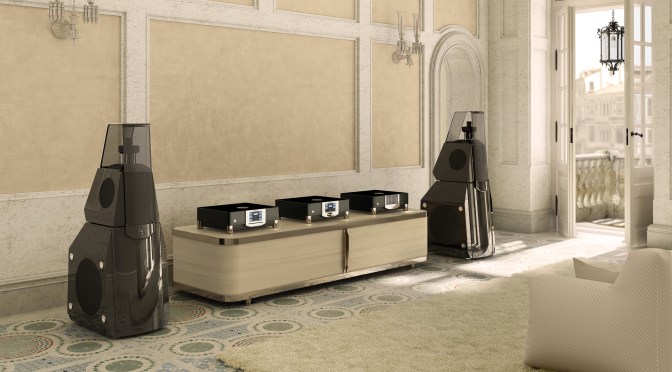
Berlin-based MBL was originally formed “to build a loudspeaker that better replicated the live experience”, with its unique Radialstrahler omnidirectional designs that “look as unique as they sound”. But, as incredible as they are, to think of MBL as “merely a loudspeaker brand is a grave disservice to its audio electronics”, says Alan Sircom, who reports on his recent “access all areas” visit to the company’s manufacturing plant in Germany.
In the mid-1970’s, electronics engineer Wolfgang Meletzky – who would later become the ‘M’ in MBL – was desperate to lose himself in the emotional sweep of his favourite composer Mahler’s works, but found that he could only do so when attending a live performance by the Berlin Philharmonic Orchestra. His quest to move beyond the prevailing limitations of hi-fi and find a way to replicate the “colour, range and emotional scope” of a live concert in his living room led him to create MBL’s now famous – and still unique – Radialstrahler designs.

His ’eureka’ moment was based on the realization that conventional hi-fi, and hence music in the home, was unidirectional, whereas musical instruments and voices, hence live performances, are not. So, his Radialstrahlers were conceived to radiate music outward in all directions, “in a manner similar to the way a light bulb emits light”. The first Radialstrahler was launched in 1979, with colleagues Bienecke and Lehnhardt joining Meletzky in his venture to create MBL.
Electronics followed in 1986, when the first iteration of MBL’s mighty 6010 amplifier was created by the company’s chief engineer Jürgen Reis, followed by the 9010 power amp in the 1990s. Digital audio soon followed, along with a raft of further loudspeakers and electronics of varying sizes and price points and, “by the time Meletzky retired in 2008, the company was transformed,” writes Sircom in the preamble to his visit report.
Today, Jürgen Reis remains at the helm, and the company’s portfolio spans a series of six Radialstrahler loudspeakers along with three lines of electronics: Reference, Noble and Cadenza.
“You might mistake MBL’s factory as something ‘old school’”, says Sircom of his first impressions, as he observes CNC lathes and sandblasting cabinets – “the sort of heavy engineering not routinely seen in companies that stuff PCBs into lightweight boxes”.
He quickly realizes, however, that “anything beyond a surface view of MBL’s factory shows just how modern design and construction is at the heart of everything made there,” with every product extensively tested and inspected, and each stage carefully monitored.”
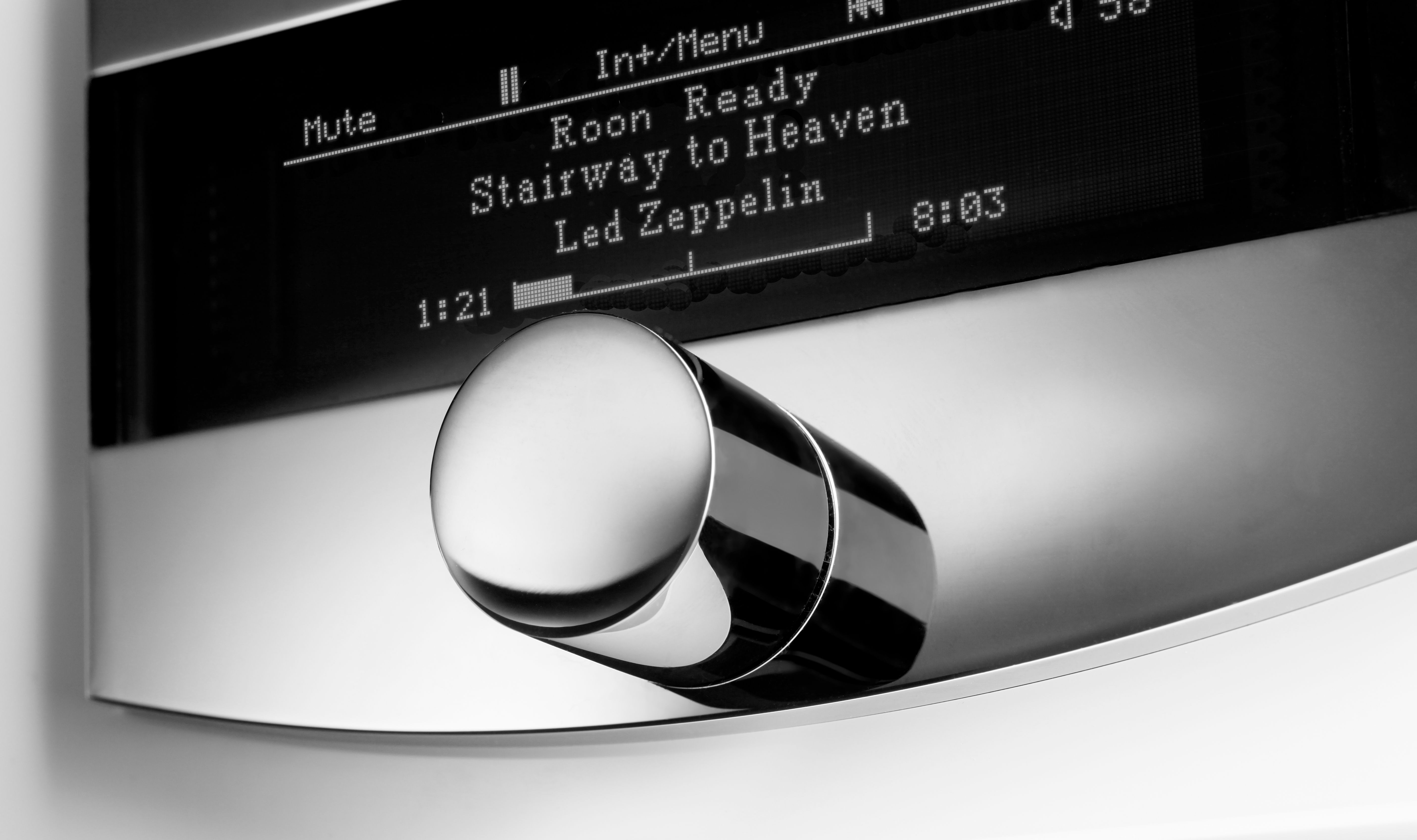
“There is a lot of precision engineering going on,” and “the assembly process is painstaking. Polishing is done to almost satellite standards. Even though they are dealing with substantial chassis components, each is treated with watchmaker-grade levels of attention.”
As for the famous Radialstrahlers, Sircom notes that their construction is every bit as challenging and as scrupulous as you might imagine, requiring “skill and a fine attention to detail” at every step in the process. “Parts normally hidden deep within a loudspeaker cabinet or amplifier chassis are built with ‘white glove’ degrees of finesse”, moving “from workstation to workstation to ensure the right specialist builds up that part perfectly”.
Perhaps unsurprisingly, then, “the least busy workers in the whole factory are the repair team,” notes Sircom.
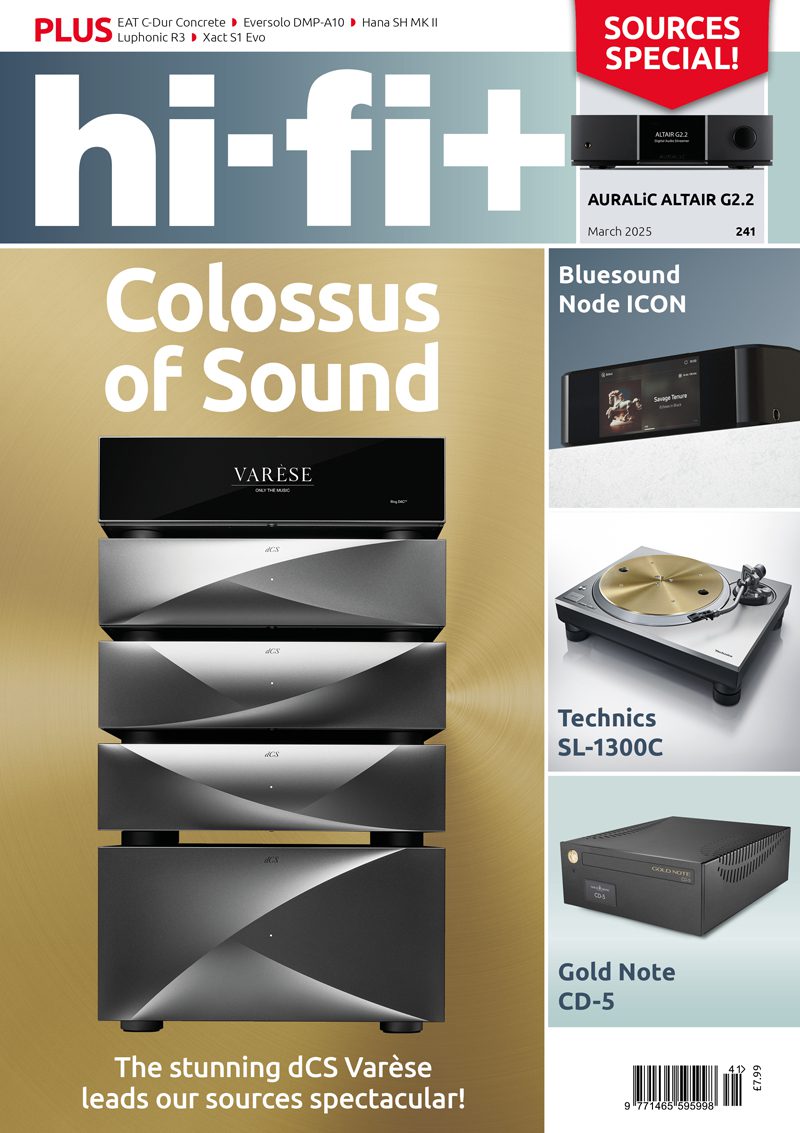 You can read Alan Sircom’s visit report in full in the March issue of Hi-Fi Plus.
Find out more about MBL and locate your nearest UK dealer at www.mbl.de/en
 David Denyer PR | The hi-fi specialist